Week 2: Audit the Evidence You Already Use
Prior Decisions, Weak Links, and the Next Studio Question
Today’s Agenda
Session 1
Lecture / demo
- review A1 directions
- what counts as evidence in architecture
- how confidence gets overstated
- the fast evidence audit
Session 2
Round table on YOUR work
- upload one marked-up decision image
- reconstruct the evidence in four steps
- a shared, gentle audit
This week diagnoses the evidence behind work you have already done. We examine the argument, not the designer.
Course progress
This week produces an evidence audit
W1 decision
W2 evidence
W3 comparison
W4-6 pathway
W7-9 prototype
W10-12 package
Bring the same past-project visual from Week 1, marked up directly
Make an evidence table: type, strength, what it actually supports
Export one weak-link sentence and one missing variable/range/threshold
Feeds A1 Evidence Critique and Week 3 comparison setup
The reset
Architecture uses many evidence types
Designers draw on a wide range of inputs. None is automatically strong or weak — strength depends on the decision it served.
- precedent
- standards and code
- site observation
- stakeholder input
- simulation
- measurement
- published research
- benchmarks and case comparisons
Not all inputs are equal
The useful question Did this input actually reduce uncertainty for the decision?
If it did not, it may have been something else wearing the costume of evidence:
- inspiration
- convention
- assumption
- noise
The recurring engine
A fast evidence ladder
The same input can sit high or low depending on fit. As a rough first sort:
Usually stronger Measured performance · well-matched comparative evidence · relevant standards and verified constraints
Often in between Simulation output · stakeholder input · a single relevant precedent — strong only if assumptions and context hold
Usually weaker Isolated precedent images · vague “best practice” · unsupported confidence from the designer
A weak input is not forbidden — it just cannot carry a strong claim on its own.
A1 core move
Not the goal Proving that your earlier design was right.
Do this instead:
- name the decision clearly
- separate evidence from assumption
- admit what was missing
- define what you would need next time
Fast audit template
For each input you actually used, name its type, its honest strength, and what it really supported.
| Input used then | Type | Strength | What it really supported |
|---|---|---|---|
| precedent image | visual precedent | low–medium | form and atmosphere, not performance |
| simulation screenshot | model output | medium | comparison only if assumptions were sound |
| code requirement | standard | high within its scope | compliance, not overall quality |
Take-away artifact
A1 evidence audit, not notes
By the end of Week 2, your A1 board should contain a visible audit layer.
Input one decision image + sources used then
Sort evidence / precedent / assumption / preference
Output weak-link diagnosis and missing test
Quality check the claim gets weaker or stronger when the source is removed
Common overclaims
Watch for these in your own A1
- “there was evidence” when there was only precedent
- “the model proved it” when the assumptions were weak
- “users prefer this” from a tiny or biased sample
- “this is best practice” without context
The strongest move is catching one of these in your own work before anyone else does.
Anecdote · evidence that was never audited
2010: an austerity argument built on a spreadsheet error
What happened A widely cited economics paper (Reinhart & Rogoff) reported that economic growth collapses once public debt passes 90% of GDP. The claim was used to justify austerity policy in several countries. In 2013 a graduate student rechecking the workbook found an Excel formula that left out five rows — once corrected, the dramatic threshold largely disappeared.
The lesson A result nobody can re-open and audit is a vibe with a number attached. Evidence is only as strong as your ability to trace how it was computed.
Worked claim audit
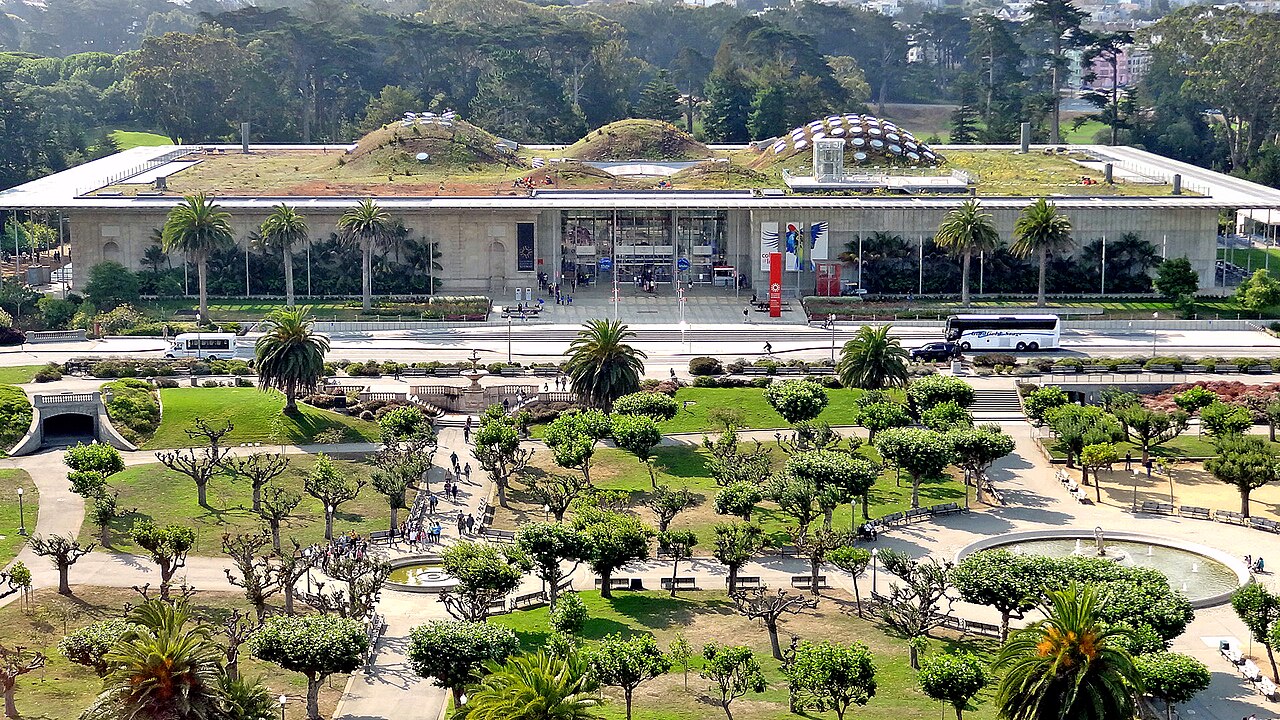
Defend one claim If you were defending a single design claim about this project in public, what evidence would you want before making it?
Name the claim, then name the evidence that would earn it.
Uncertainty check
Polished evidence still needs inspection
Question for your A1 Which piece of evidence in your old project looked convincing because it was visually polished, not because it was actually strong?
If the answer is a render, precedent image, exported map, or simulation screenshot, write down what would have to be checked before it could carry the claim.
Where A1 goes next
Pivot to the next decision
The second half of A1 turns from the past to the next real choice.
The four questions
- what is the next real design decision?
- who needs to be convinced?
- what evidence would matter?
- which pathway might help most?
This is where A1 stops being a post-mortem and starts pointing at the rest of the semester.
Pathway sniff test
Choose provisionally — you can revise as A2 sharpens the question.
Mapped soon
- spreadsheet comparison
geopandas- BIM-derived proxy
- Python notebook
- AI-assisted fact-checking
Mapped through class
- GH components
- Ladybug/Radiance walkthroughs
- office tools students already know
Allowed with caution
- plugins
- office workflows
- custom scripts that still export an inspectable artifact
The provisional question is: which route can produce the smallest output that would change the decision?
BREAK
Take 10 minutes.
When you return, post one rough decision image from a past project to Slack — evidence, precedent, assumption, and uncertainty marked directly on it.
Session 2 · Round table
Round table on YOUR evidence
Decision Evidence Variation Output Threshold Action
Upload one marked-up decision image (the Week 1 image, diagram, or board fragment), then we audit the evidence together. feeds A1
The audit (everyone)
Examine the work, not the person We ask the same question of every artifact, including mine: what does this evidence actually support, and what does it not show yet?
Speak for 60–90 seconds. The strongest move is naming your own weakest link first.
Volunteers go first; random draw may fill the remaining examples.
Reconstruct your decision in four steps
Object this week: the evidence behind your past decision.
Did What evidence did I actually use, and for which decision?
Assumed What did I treat as evidence that was really assumption or precedent?
Risk Where was my confidence stronger than the evidence supported?
Verify What evidence would I gather before the next decision?
Post your filled four-step to Slack under your image. Posting + an honest reconstruction is the graded unit — not how you spoke.
Fast A1 worksheet
By mid-class you should be able to fill:
| Prompt | Your answer |
|---|---|
| Prior decision | |
| Strongest evidence actually used | |
| Its honest type and strength | |
| What it did not show | |
| Weakest link in the argument | |
| Next studio decision |
A1 reality check
If your A1 is still vague, it is usually because:
- the original decision was too broad
- the evidence types are mixed together
- the next decision is still a theme instead of a choice
- the audience for the evidence is still unclear
Vague is normal at Week 2. Naming why it is vague is the fix.
A1 submission check
Leave Week 2 with
- one prior decision, clearly described
- one evidence audit (type, strength, what it supported)
- one next studio decision
- one visual page that makes the transition visible
A1 is diagnosed, not finished. Week 3 finalizes the Total Recall board.
Week 2 · feeds A1: Total Recall